Why I’m going to stop saying “I’m not creative”

hand writingI was listening to a podcast interview with Joanna Penn the other day where she said words along the lines of, “I used to say I wasn’t creative, but now …” In her case, she had started writing fiction part way through a career that she had thought would be all about writing non-fiction and being a professional speaker. And that fiction is now very successful. I’m not going to suddenly embark upon a spot of novel-writing, but hearing this did set me off on a train of thought.

You see, I’ve always said that I’m “not creative”. “I’m an editor, not a creative writer: it’s two different things,” I would blithely say, as I tucked my editing pencil behind my ear and got on with putting my new guide to social media this, that and the other, or writing a blog post to help people with their time management, or had a good long think about how I could best explain a grammatical concept.

But have you seen the place where ‘they’ define ‘being creative’ as ‘writing novels and poems’? Me neither, when I think about it.

I want to be clear here that I’m not placing creativity above non-creativity. I’m just talking about the idea that more of us are more creative than perhaps we think we are.

What is creativity, anyway?

The dictionary defines creativity around it being the work of imagination and involving new ideas. In fact, I’ve worked on a few academic pieces about creativity, and these kinds of themes come out in those and what I would like to call some heavy research work but actually is more along the lines of skipping through hyperspace following links here and there until I’ve got a list.

For me, creativity involves:

  • Using the imagination
  • Making something exist which didn’t exist before
  • Finding new ways to say things
  • Putting things together in different ways
  • Solving problems
  • Being ‘inspired’

When you look at it that way, you can see that creativity isn’t all about making a painting, a pot or a poem. Of course, it’s all of those things, but it’s more …

In my life, I exhibit creativity in these ways:

  • Creating a business out of nothing except skills and talents and combining areas in different ways – I don’t know many other people who do editing / transcribing / localising / writing but it suits me.
  • Producing edited or transcribed or localised work that’s thoughtful about its author and audience and manipulated in subtle ways to link the two and make a good and useful piece of work.
  • Creating blog posts and other resources that may not be based on completely made-up stories from my imagination, but draw together strands of my experience, new ways of explaining things to people and examples to illuminate points.
  • Being ‘insipired’. “Oh, no, I just write to order and can sit down and produce copy for an hour if I need to,” I say forthrightly. But I would like to point out to myself here that I did have to put back some paid work slightly because this blog post got itself into my head and I had to write it down. Ah.
  • Coming up with reasons why my running partner can carry on and do a few more miles (“We’re nearly up to 35 minutes now!” (looks at watch, which clearly reads 45 minutes; hides watch from running partner).

Just in case you’re feeling I’m being ever so self-aggrandising and arrogant, which is not what I try to be about, here are some more examples of creativity that I see all around me but might not be traditional creativity:

  • My translator friends working with one language to make it represent the nuances of words written in another language
  • A young friend dipping her toe into the world of blogging with gig and record reviews
  • Book reviewers who link the book to others, write about the plot without giving it away and give their readers (or their future self reading their journal) a good idea of whether they’d like the book
  • Business owners forming communities where other people can ask questions and feel supported and valued
  • Networkers who are forever putting people together who they think have something in common
  • Biographers who gather facts about their subject and put them together in a readable and interesting way
  • People who put together lovely, restful, welcoming homes or find a thousandth way to explain to their toddler why they need to put their wellies on
  • Good employment agents who match job profile and candidate for a perfect match

What’s the difference between non-fiction and fiction writing, then?

This is something I’m starting to ponder now, too. When you read an interview with a novelist or poet, there’s usually something in there about how they have to write, how they were scribbling haiku at the age of 3, how they go all weird if they can’t get some writing in every day. Are we non-fiction folks like that? I’m not entirely sure. But then, why do WE write? I have some ideas about why I write — if there are non-fiction writers out there who would like to explore this area more, perhaps in some interviews on this blog, please do get in touch!

In the meantime, I’ll say it …

My name is Liz, and I’m creative

——————

Thank you for reading this article. If you enjoyed it, please do click one of the buttons below to share it. And if you’re interested in my books, which do turn out to be creative after all, have a look here!
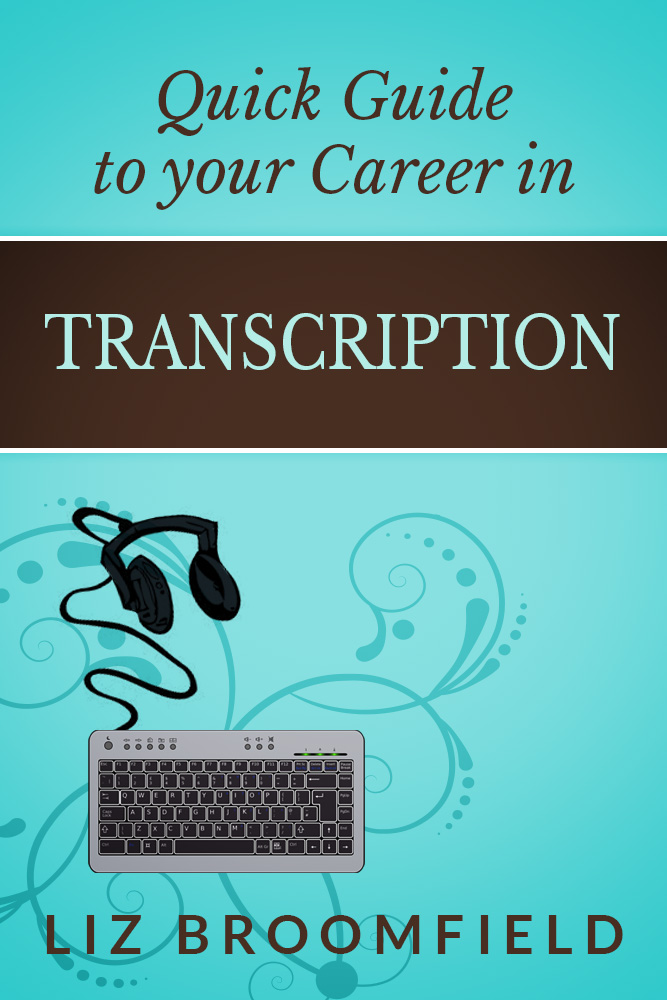
My sixth five-star review for “Quick Guide to your Career in Transcription”

quick guide to your career in transcriptionI was chuffed to notice a new review for my book, “Quick Guide to your Career in Transcription“. This one is flying off the (virtual) shelves at the moment, which is cheering as I put together my next offering, another in my “Quick Guides” series. This one on transcription gathers together all of the useful information I wished I’d known when I started doing transcription work (flailing around using non-optimal technology and without the huge range of shortcuts I’ve developed over the years). Transcription is a huge and valued (and fun!) part of my work life; there’s plenty of work to go around and I’m always glad to spread the word: it’s lovely when I hear back from happy readers!

Excellent
This e-book was excellent and to the point! I have been considering starting my own transcription business for a while now and this has given me the extra knowledge and confidence I needed to pursue it! Highly recommend it!!
How lovely! Thank you to this Amazon reviewer, and I hope she does well in her business!
Want to read this book? Have a look here for info and links to Amazon, Smashwords, etc., where you can buy.

New forthcoming book!

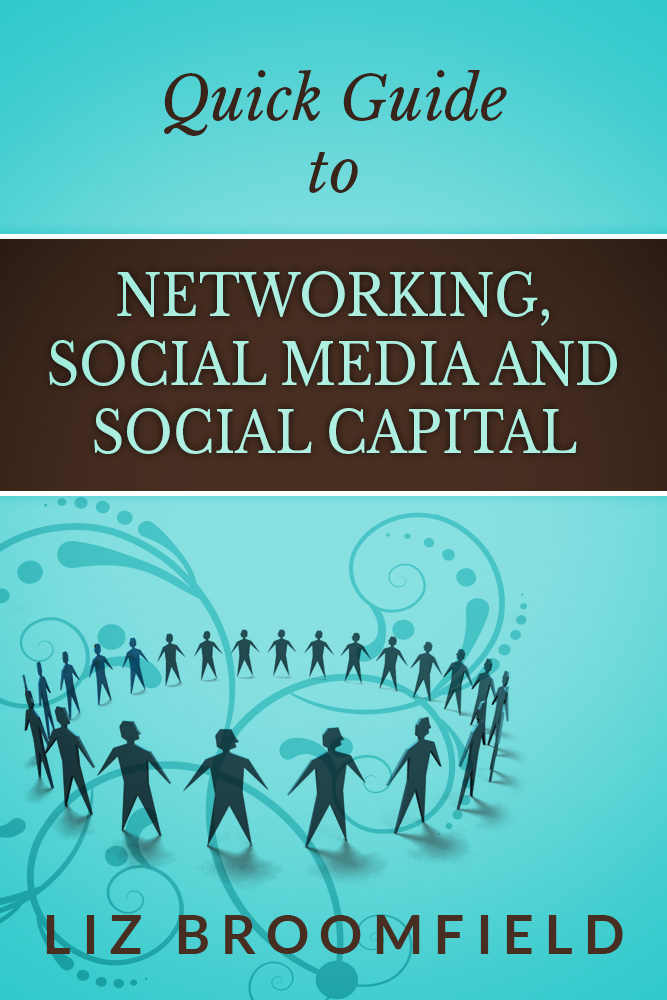
I’m proud to announce that my new book, “Quick Guide to Networking, Social Media and Social Capital”, will be coming out in October 2014

Quick guide to networking, social media and social capital

It will guide you through the basics of using social media, launching yourself into the world of networking and benefiting from the social capital you develop, in an easy-to-use guide backed up by FREE examples, screenshots and step-by-step instructions on my blog.

It’s not out yet but it will be soon – Subscribe to my newsletter or add my blog to your blog reader to keep up to date with all developments on this book and the next ones (my newsletter subscribers have already seen this book cover!). Read about my other books here.

What helped me to start selling more books?

Liz Broomfield print booksA little while ago, I promised to share what has helped me to up my book sales. I’m hoping that sharing my experience will help other authors to get some ideas, and also that you might share ideas that have worked for you in the comments. A couple of people did comment on the original post and other explorations I undertook via LinkedIn, etc., and I’m sharing their input below.

I’m primarily talking to fellow authors in this one;  if you’re interested in reading my books but not in how I spread the word about them, please do feel free to bail out at this point and pop over to my books page!

I have seen some increases in my book sales recently. While it’s not an exact science, and allowing for random chance, of course, I can put at least some of this down to these factors:

1. Looking at what some book marketing gurus who are also authors have done and emulating them / following their suggestions. Chief of these is Joanna Penn at thecreativepenn.com. While Joanna is a non-fiction editing and podcast transcription client of mine over in my day job, I do also pay great personal as well as professional attention to the information she puts out there. I have been exploring the ideas and services of some of her podcast interviewees, and she’s got a new book out, “Business for Authors: How to be an Author Entrepreneur“, which is full of useful hints and tips which I duly noted down as I edited! (note: I was not asked or sponsored to include this, none of the links there are affiliate links). If you’re an author looking to increase your sales or become more business-orientated, I highly recommend Joanna’s resources. Things I’ve done include running low-price adverts on author sites, signing up for lists where reporters look for people to interview, and … well, see number 3 for the last one …

2. Being flexible and seeking second, third and fourth opinions / listening to the crowd – I changed the titles of three of my books following feedback from what one might loosely term my ‘tribe’ on Facebook (I wrote about it on one of my other blogs) and relaunched the titles with a bit of a fanfare. I have noted that I’ve had quite a few requests for mentoring from other newly self-employed editors and other self-employed people, so I’m planning a workbook to help people to mentor themselves and a new book designed just for editors and proofreaders (watch this space for more on that in a couple of months). I was told that people would like to see print versions of my business books, so I created low-risk Print on Demand versions that only cost me time and research and are being snapped up by people who prefer to read in print. I’ve listened to what people want and like, and I’ve adapted and grown the books I offer to match that.

3. Taking my books more seriously. All of the above really falls into this. I’ve created this website, I’ve joined LinkedIn groups for authors, I’ve signed up for a challenge-a-day book marketing blog programme (more on that at the end of the month if it works out). If I don’t commit to my books, and keep them sidelined on a side-page on my other websites, why should I expect other people to commit to them? I’ve shared about them regularly on social media and curated collections of photos and reviews to demonstrate readers’ interest in my books.

A few people kindly submitted their proven ideas for marketing their books. Tim Hildred suggested a Twitter hack conducted by a friend: he followed 100 people on Twitter per day, many of whom looked at his profile when they received the notification of his follow.  They clicked on the link in his Twitter profile to his free book, and he sold more copies of his following book. This is an interesting idea, although it would take a bit of work and you would need to make sure you weren’t being spammy.  Madi Preda who has written a book on book marketing (thus making us go all round in circles!) suggested a launch party on Facebook and also getting ARC copies out there and promoting on Goodreads.

So, are any of these tips useful for you? What have you done that has improved your book sales?

My own books are here. If you are an author-entrepreneur, you might find something of interest in this one and this one. Happy reading!

A new review for “How I Survived my First Year of Full-Time Self-Employment”

How I survived my first year of full-time self-employmentI knew this lady was reading my book, “How I Survived my First Year of Full-Time Self-Employment” because she posted a picture of it on her stand at a jewellery fair (see all of my readers’ pics here) but I was thrilled to see this Amazon five-star review of the paperback version:

A really easy to understand book which was enjoyable and informative

I’ve been following the authors blog for a while and when I found out that this book was now available in format other than for e-readers I just had to buy it. I started with my full time self-employment 2 months ago after working with my self employment in tandem with full time employment elsewhere and found there was a lot of information that resonated with me. A really easy to understand book which was enjoyable and informative. Excellent and to be recommended to anyone thinking of the self-employment route.

It’s always lovely to read that I’ve helped someone, and I’ll keep saying it – reviews really help all authors, especially indie ones!

A new review for “Quick Guide to your Career in Transcription”

quick guide to your career in transcriptionI was very pleased to see this five-star review on Amazon for my “Quick Guide to your Career in Transcription“. Reviews do really matter, especially to indie authors – they give prospective buyers reassurance about the quality of the product, and reassure them that other people have bought it (no one wants to feel like a fool, buying something that no one else has bothered with). It is also extremely nice for authors to get feedback that their books have given enjoyment, amusement or information to their readers. This kind of review really brightens my day!

Worth ten times its price in value. This is a short book, but it packs a great amount of information in it. The section on Word AutoCorrect is worth the price! As a professional journalist, this book was invaluable – especially as I plan to start freelance transcription services. I only wish I had this information years ago.”

Relaunch of my first two business books – new titles and covers!

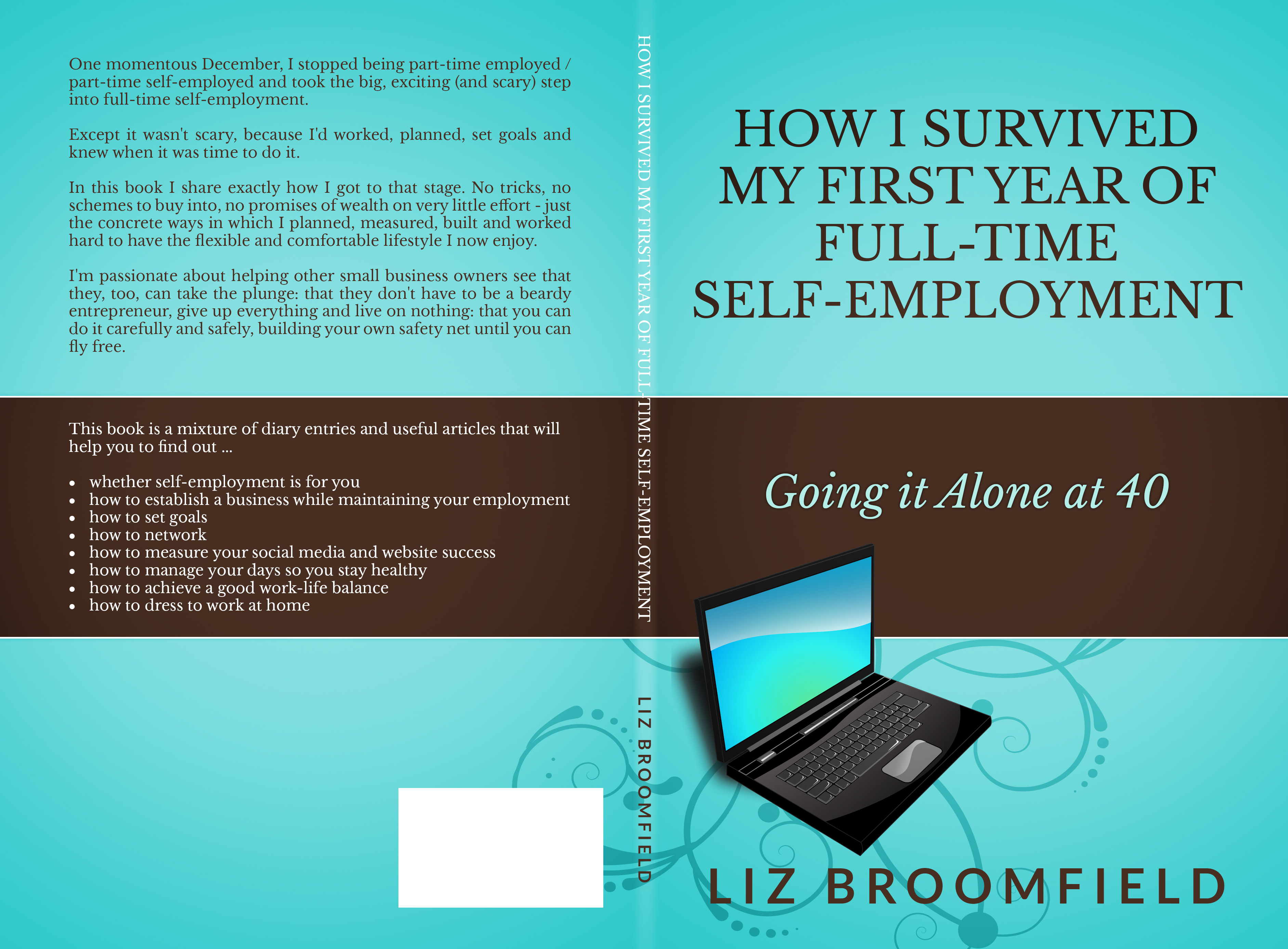
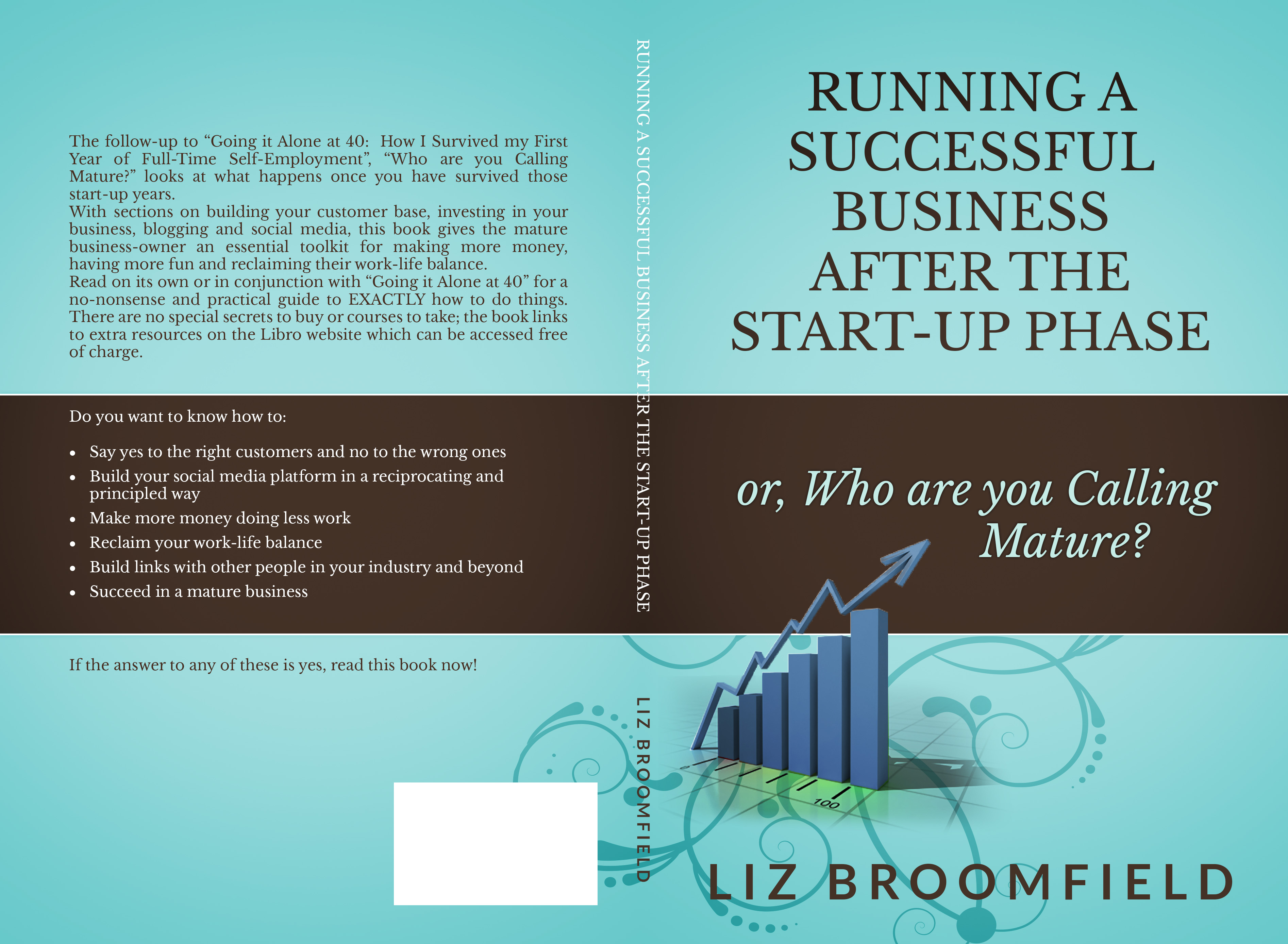
Hello there! On Libro’s fifth birthday, it seemed appropriate to officially announce the relaunch of my first two business books, “How I Survived my First Year of Full-Time Self-Employment: Going it Alone at 40” and “Running a Successful Business After the Start-up Phase, or, Who are you Calling Mature?

After doing some market research, I swapped the titles and subtitles around, to clarify what the books are about and to make them easier to find. You can find more about each book by following the links above, but here are the new full print covers – and they’re available now from Amazon!

Print cover - how I survived my first year of full-time self-employment

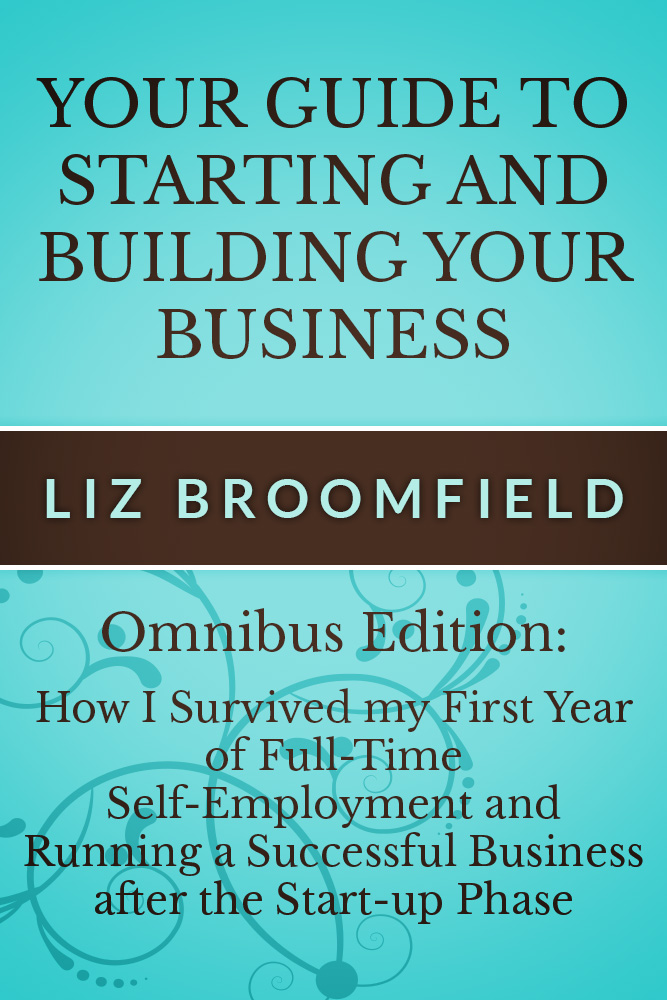
Running a successful business after the start-up phaseI’ve also relaunched and redesigned my Omnibus e-book edition, which combines both books in one special value volume:

Your guide to starting and building your businessPop to the books’ individual pages for more information including where and how to buy.

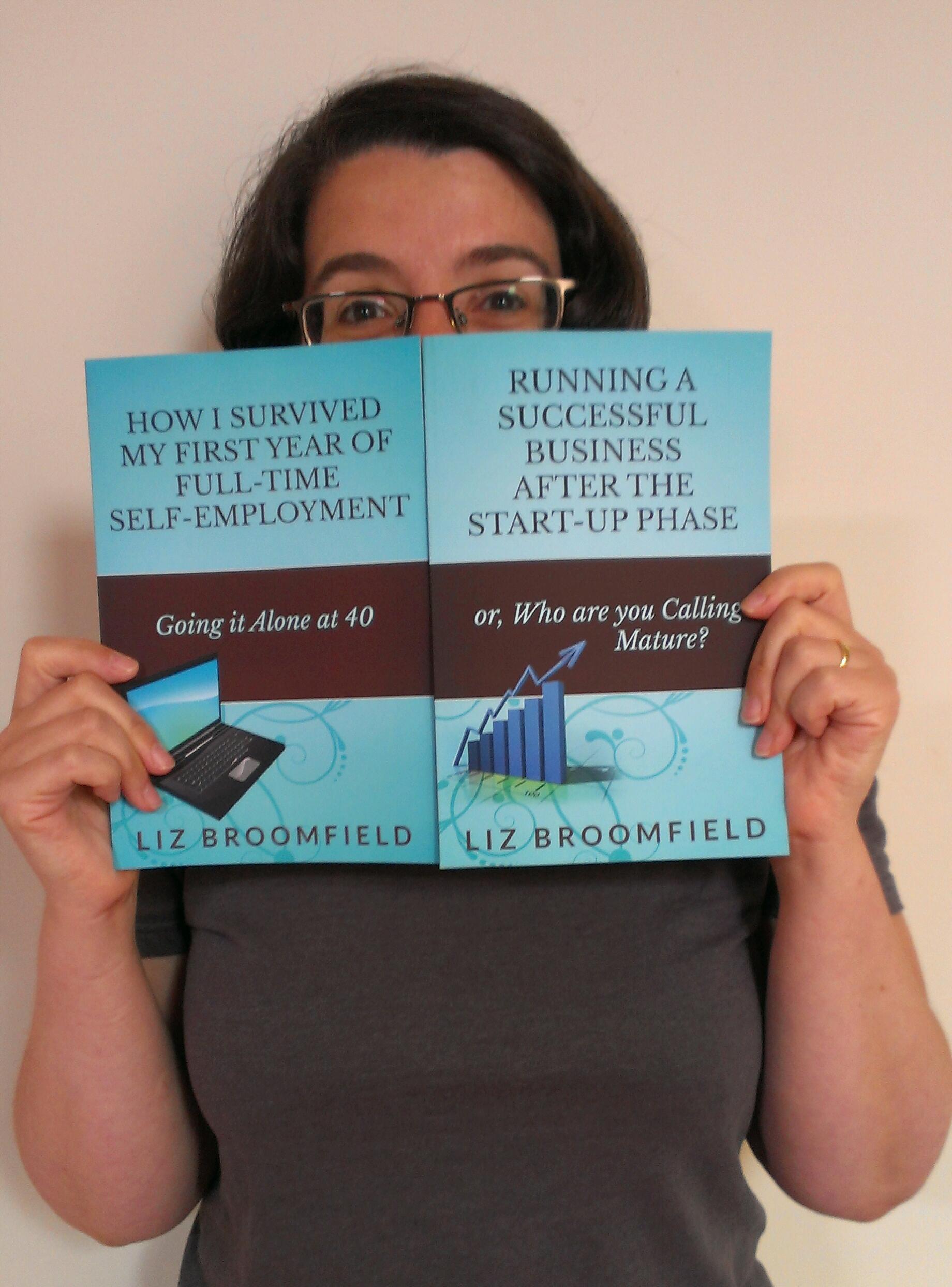
… And here they are in person!

Liz Broomfield print books